STOP THE STRATEGIC DRIFT – GET ALIGNED FOR BETTER RESULTS
Estimated reading time 5 minutes
Is your strategy stuck in the slow lane? Most businesses don’t fail because they lack a plan. They fail because everyone’s working to a different one. If your purpose is fuzzy, your priorities are scattered, and every month feels like wading through treacle, you’re not alone.
The truth is simple: misalignment drains momentum. It fragments focus. It turns smart, capable teams into exhausted, reactive units chasing noise instead of results. And in a world moving faster than ever, drift is deadly.
Misalignment is the expensive invisible tax on ambition
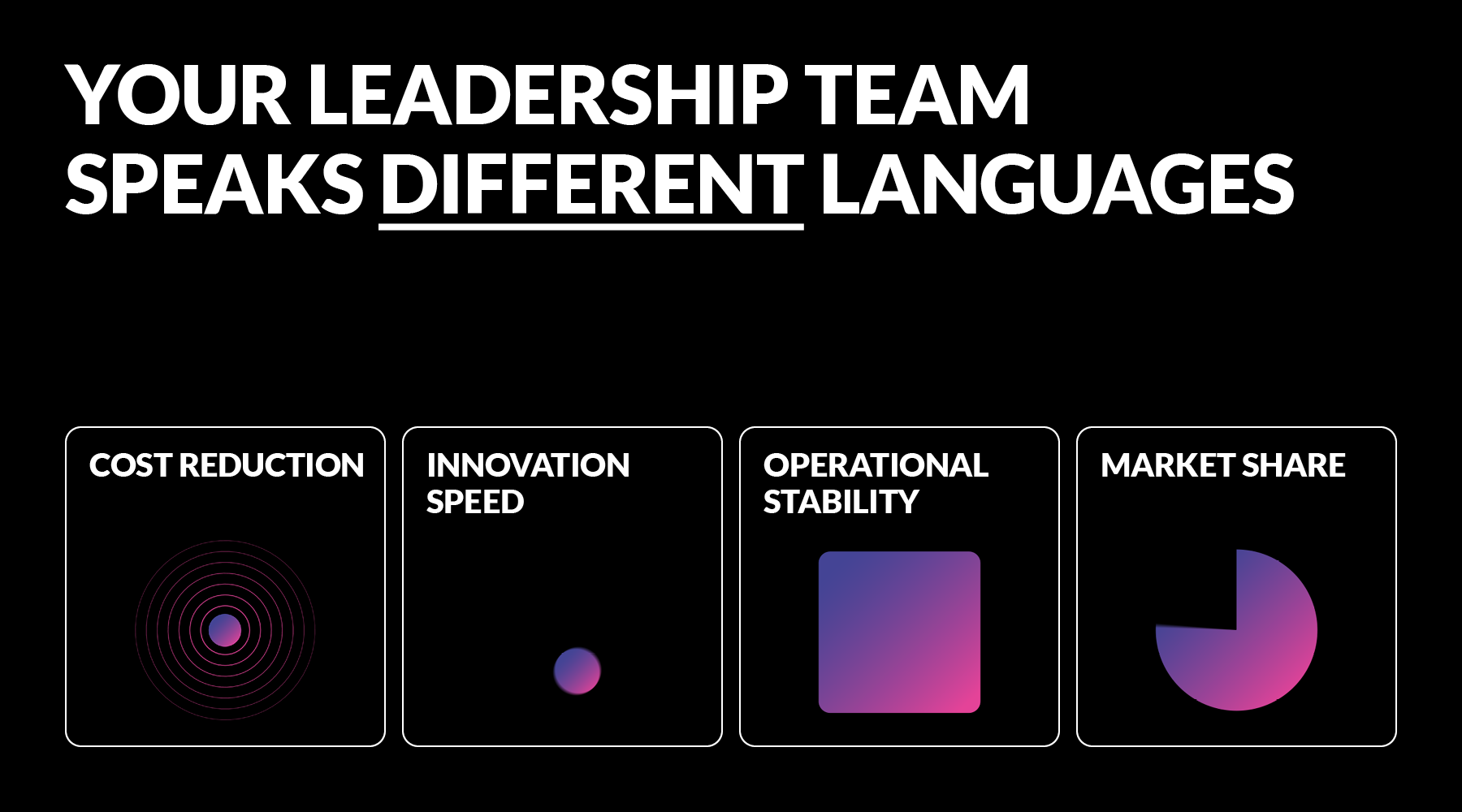
Misalignment slips into organisations quietly through vague goals, conflicting priorities, and legacy reward systems that nudge people toward safety instead of impact. Meetings multiply, clarity evaporates, and effort begins to outpace achievement.
Purpose stops being a galvanising force and becomes wallpaper. Leaders talk outcomes. Teams deliver outputs. And the space between the two grows into the most expensive blind spot a business can have.
This isn’t just a cultural issue. It’s a financial one. Still think alignment is a soft skill? The arithmetic is brutal:
- Strategic misalignment wastes up to 60% of a company’s resources
- Poor strategy execution wipes out up to 10% of annual revenue, equivalent to $1bn for a $10bn company
- Highly aligned organisations grow revenue 58% faster and are 72% more profitable
- Strong strategy-culture alignment delivers 30% higher implementation success and 2.5x ROI on strategic initiatives
Misalignment slows decisions, weakens trust, and creates a culture where ambition atrophies. High activity, low impact. Lots of motion, very little movement.
Alignment doesn’t happen by accident
Alignment begins with truth – not templates, not posters, but a fearless examination of what’s really happening in your organisation. This means asking uncomfortable questions. Challenging sacred cows. Admitting where you’ve been complicit in the drift. What’s blocking progress? Where has drift become normal? Which assumptions are masquerading as strategy?
Without clarity and unity at the top, chaos fills the vacuum everywhere else. Direction becomes subjective. Priorities become political. Teams work hard but not together. And leaders lose the ability to create momentum.
There are four fundamental truths of strategic alignment:
- OUTCOMES OVER OPTICS Success isn’t a slogan. It’s defined through measurable, outcome-focused intent. Leaders must identify the few critical levers that accelerate progress, and stop diluting impact by trying to do everything.
- EXECUTION IS THE STRATEGY A strategy that can’t be executed is just expensive theatre. Real strategy lives in actions, behaviours, systems, and routines. It requires clarity, accountability, a dynamic roadmap, and a commitment to measuring what matters, not what’s easy.
- LEADERSHIP DRIVES THE SHIFT Transformation requires bold leadership. Not louder cheerleading. Not more all-hands presentations. Clear, brave leadership that calls out what everyone else is tiptoeing around. Leaders must challenge legacy thinking, remove ambiguity, model the behaviours they expect, and create an environment where teams feel empowered to act, decide, and deliver.
- RHYTHMS AND ROUTINES MAKE ALIGNMENT STICK Alignment becomes durable only when it becomes habitual. Daily touch-points, weekly priorities, monthly accountability sessions, these create the organisational heartbeat that keeps strategy alive. Strategy is not static, so your routines can’t be either.
But of course, this is tough. Facing into the alignment challenge means re-wiring your organisation from the ground up.
Face the truth – No diplomatic language. No sanitised feedback. Go deep with workshops and diagnostics that expose what’s actually blocking progress, not what people are comfortable admitting in board meetings. Run a strategic X-ray: a forensic review of your plans, performance, and feedback to surface what’s misaligned, what’s missing, and what’s just noise. This isn’t about theory. It’s about truth and it’s the foundation for everything that follows.
Forge a united front – Bring your leadership together to lock in a shared vision and define the outcomes that actually matter. Map the levers that will drive or derail success and identify the “Big Bets” that will move the needle. No more vague ambition. Just focused, collective intent and a team that’s finally pulling in the same direction.
Mobilise for action – Co-create a clear execution playbook so everyone knows what to do, when, and why. A dynamic roadmap makes the work visible, sequenced, and adaptable because strategy isn’t static. Align your operating model and define the metrics that track real progress not just activity. This is where momentum starts.
Lead the charge – Change doesn’t stick without leaders who show up. Your leaders need to challenge the status quo, lead with intent, and model the behaviours they expect. They must embed the rhythms and routines that drive cultural shift and equip your teams to scale impact through empowered people and smart use of tech. This is where transformation stops being aspiration and becomes how you operate. Where leadership stops performing and starts delivering.
Keep the machine aligned – and honest – Here’s the uncomfortable truth: even perfectly aligned strategies drift. Not because people stop caring, but because legacy reward systems pull them three degrees left and right of one another. You can’t ask people to focus on outcomes while paying them for outputs. Fix the incentives, or accept the drift. Beyond that, you need air traffic control, something to orchestrate execution in the right sequence and keep the leadership team honest about what’s actually moving the needle. This is where a Value Realisation Office earns its keep: coordinating delivery, measuring real progress against strategic imperatives, and stopping the slide back into wallpaper and theatre. Without it, alignment becomes a launch event, not an operating system.
Is your business aligned? Are all of your people focused on outcomes that are aligned with your purpose, and do they all understand how their work contributes? Are you measuring results rather than just outputs?
INTERESTED IN FINDING OUT MORE?
Fill in your details below and we’ll be in touch
"*" indicates required fields